CNC Wood Turning Machine vs Manual Wood Lathe
Which Is Better for Furniture & Industrial Production?
“Should I choose a CNC wood turning machine or a manual wood lathe?”
The answer depends on production scale, labor costs, accuracy requirements, and long-term business goals.
This article provides a clear, practical comparison to help manufacturers make the right decision.
Core Difference: Automation vs Manual Control
The biggest difference lies in how the machine operates.
This single difference affects productivity, consistency, and cost structure.
Productivity Comparison
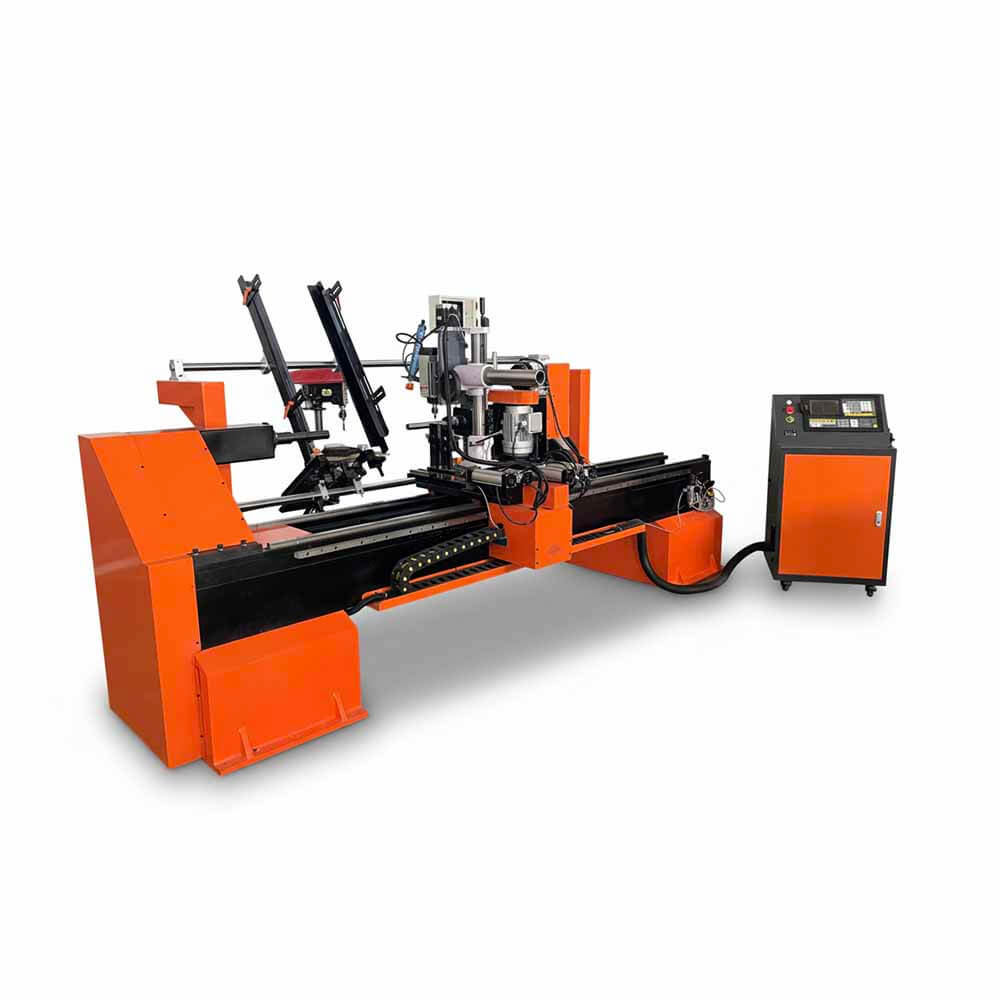
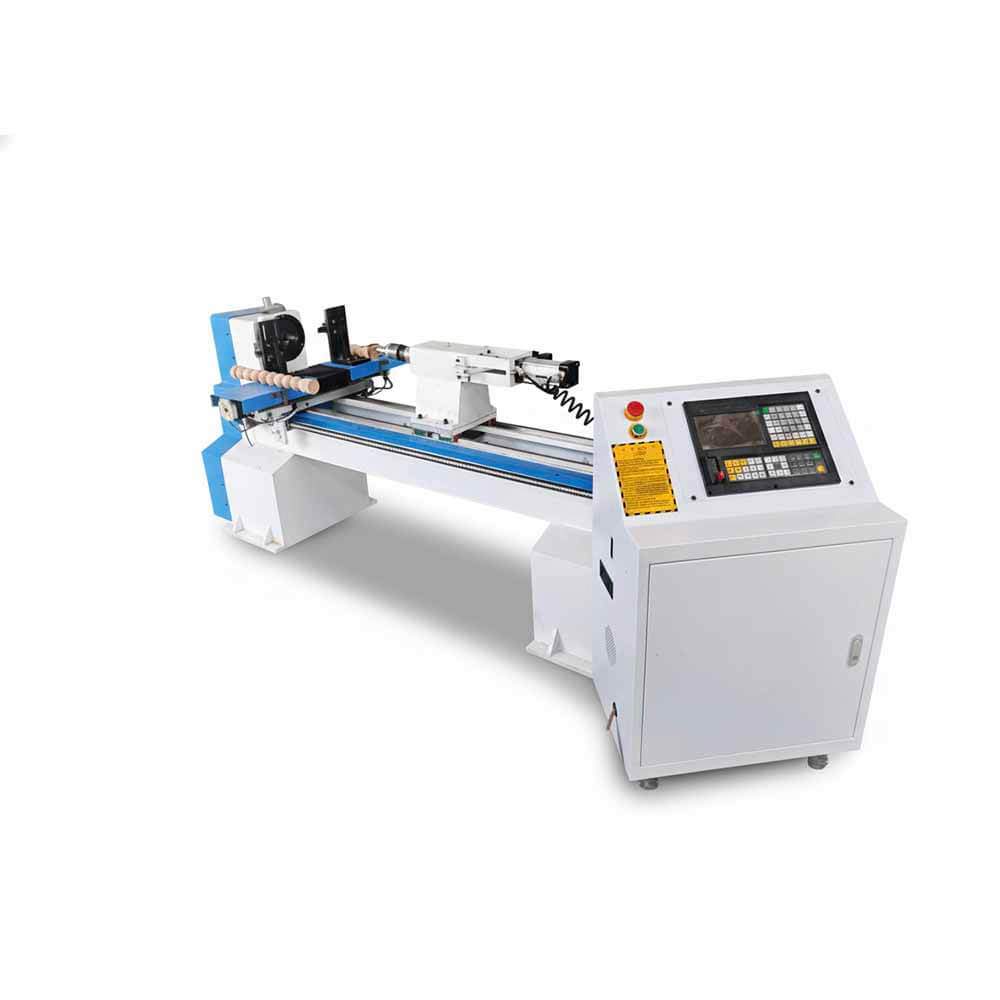
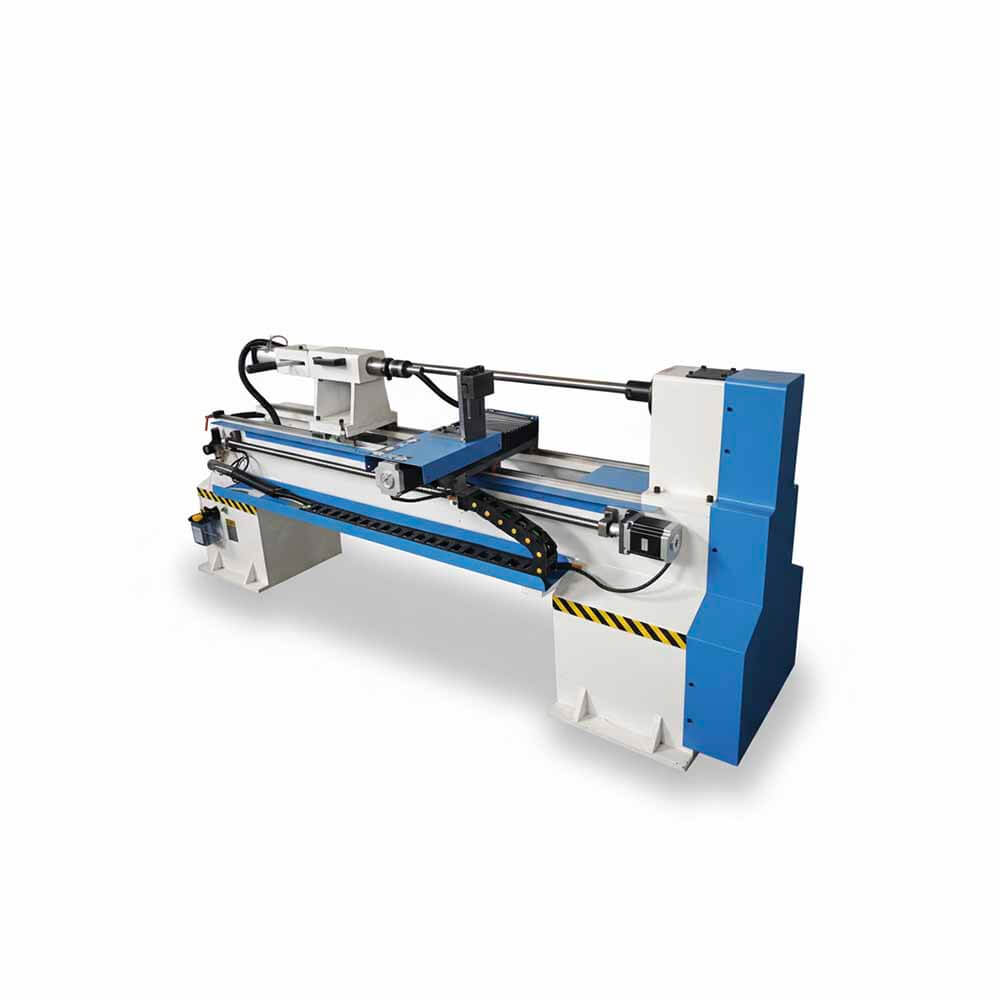
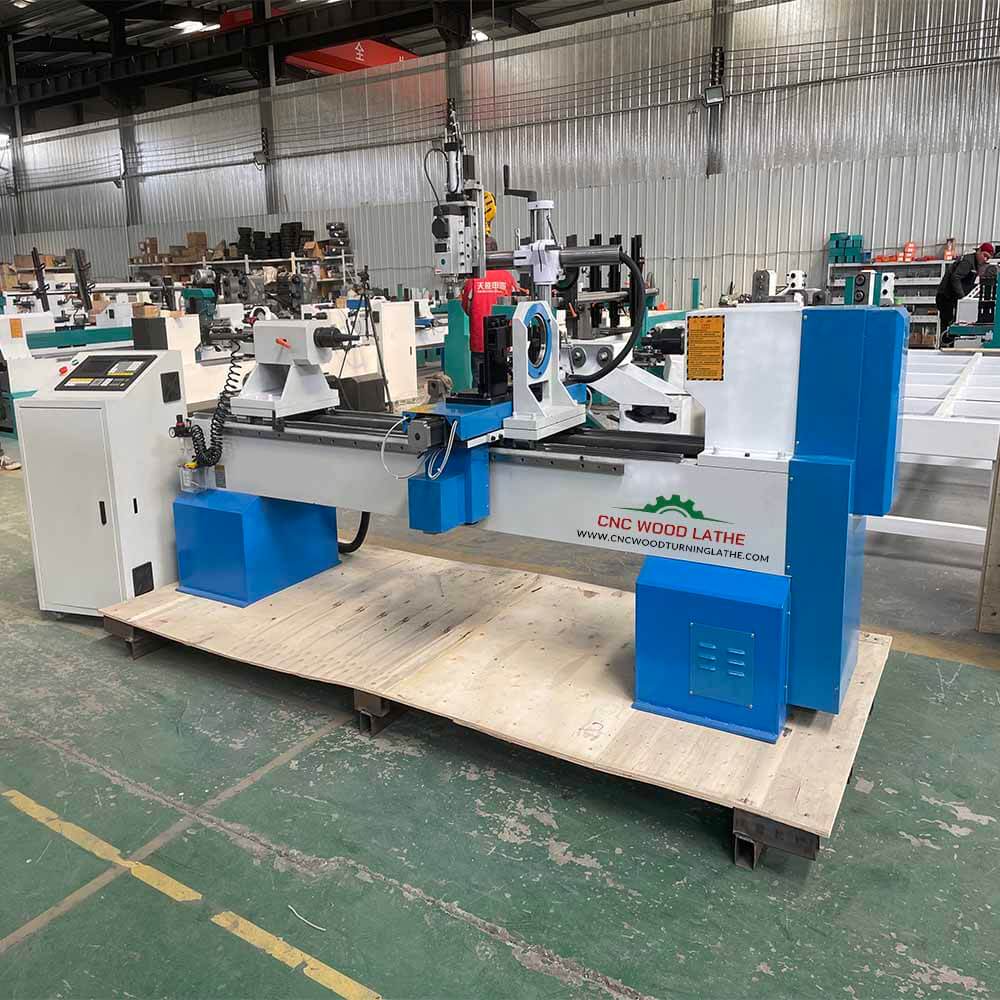
CNC Wood Turning Machine
-
Runs continuously once programmed
-
Produces identical parts in large quantities
-
Suitable for mass or batch production
Manual Wood Lathe
Winner for production efficiency: CNC wood turning machine
Accuracy & Consistency
CNC wood turning machines deliver:
Manual wood lathes depend on:
Labor Skill & Training Requirements
CNC Wood Turning
Manual Wood Lathe
-
Requires years of hands-on skill
-
Difficult to replace experienced workers
-
High dependency on individual craftsmanship
Long-term labor stability favors CNC machines.
Cost Comparison: Short-Term vs Long-Term
Initial Investment
Long-Term Cost
For continuous production, CNC machines often deliver better ROI over time.
Production Volume Suitability
| Production Type |
CNC Wood Turning |
Manual Wood Lathe |
| Small batch |
Possible |
Good |
| Medium batch |
Excellent |
Limited |
| Large batch |
Ideal |
Not suitable |
Product Complexity
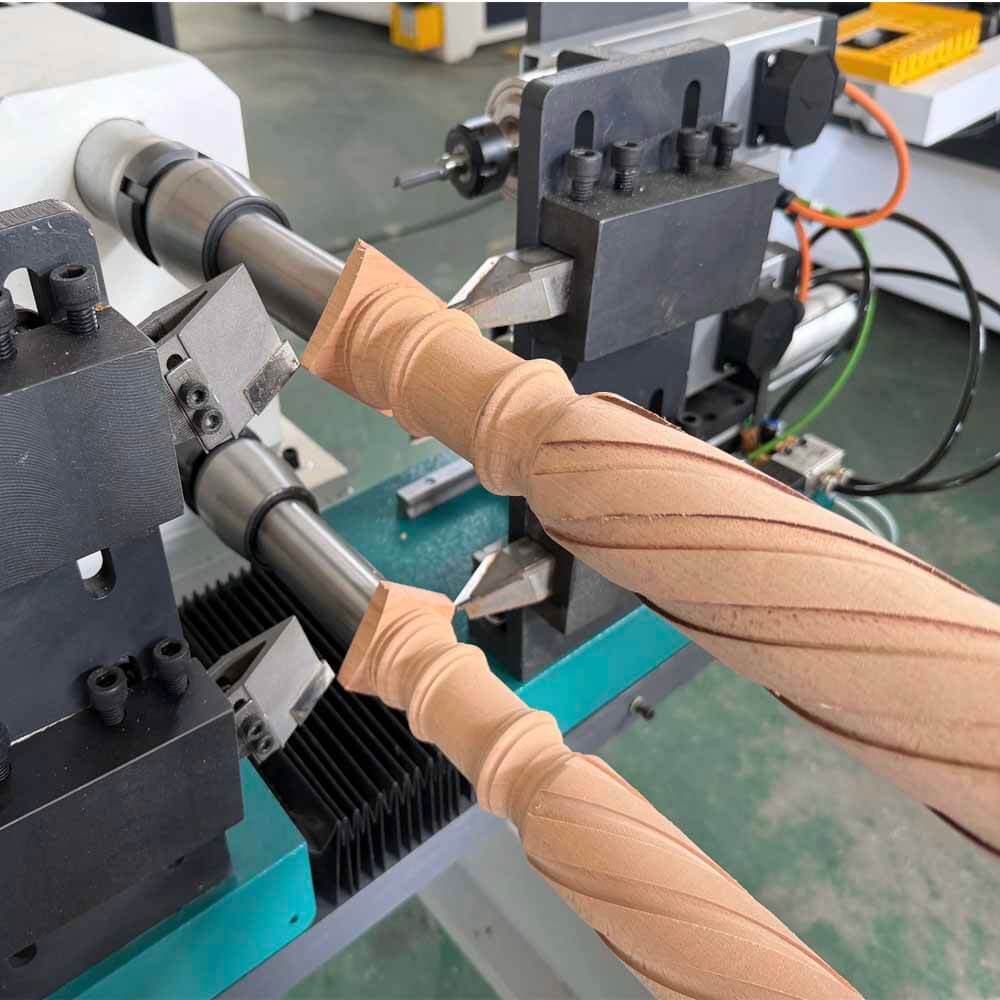
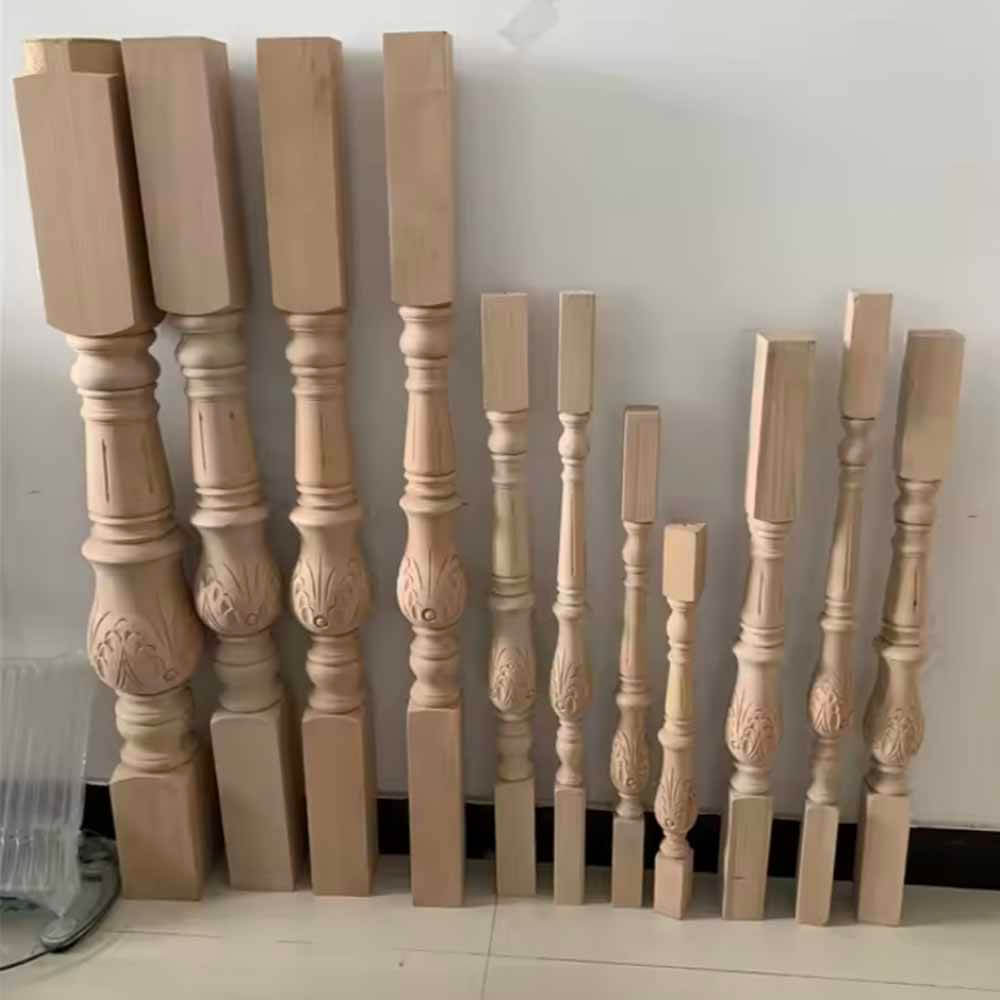
CNC wood turning machines can handle:
Manual lathes are better for:
Quality Control & Scalability
CNC machines support:
Manual lathes face challenges when:
Which One Should You Choose?
Choose CNC Wood Turning Machine If:
-
You produce furniture parts, stair components, or spindles
-
You need consistency and volume
-
You plan to scale production
Choose Manual Wood Lathe If:
Real-World Manufacturing Example
A furniture factory producing table legs:
This difference directly impacts delivery speed and profit margins.
Conclusion
CNC wood turning machines are designed for efficiency, consistency, and scalability, while manual wood lathes focus on craftsmanship and flexibility.
For most commercial and industrial applications, CNC wood turning is the smarter long-term investment.

 EN
EN  IT
IT  KO
KO  JA
JA  AR
AR  EO
EO  PT
PT  FR
FR  DE
DE  RU
RU  AF
AF  AS
AS  AZ
AZ  BG
BG  BS
BS  EL
EL  CS
CS  ES
ES  ES_CL
ES_CL  ET
ET  FA
FA  ID
ID  MS
MS  LV
LV  SK
SK  TT
TT  UZ
UZ  UK
UK  TR
TR  SV
SV  TH
TH