How to Choose the Right CNC Wood Turning Machine
Which Is Better for Furniture & Industrial Production?
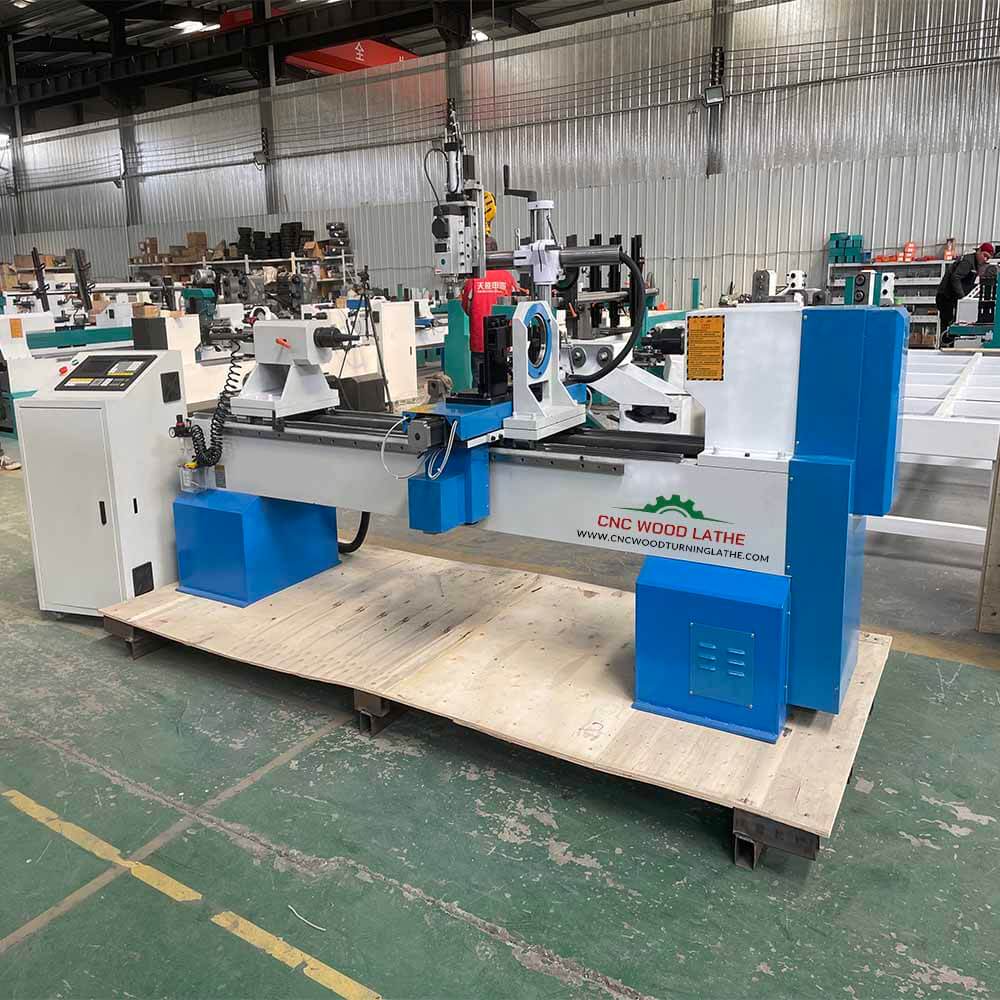
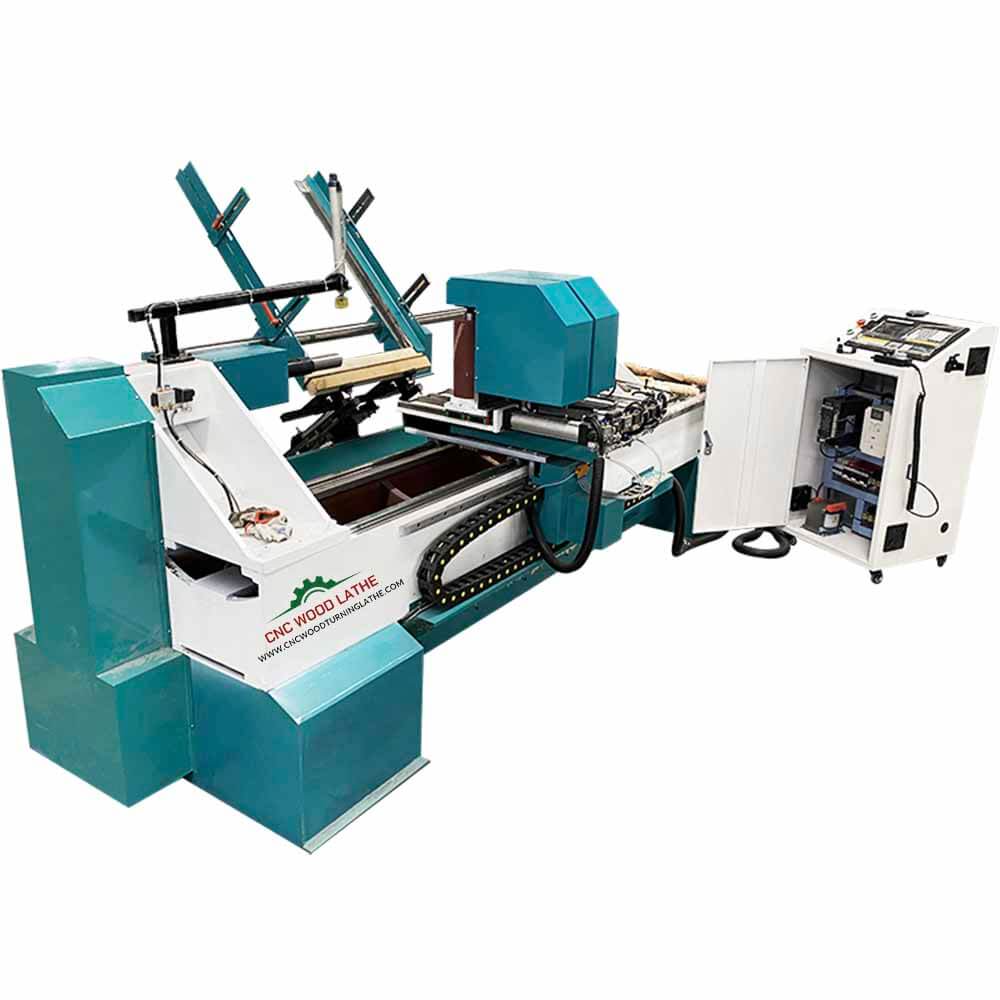
This guide explains what truly matters when selecting a CNC wood turning machine for commercial use.
Define Your Production Requirements
Before comparing machines, manufacturers must clearly understand:
-
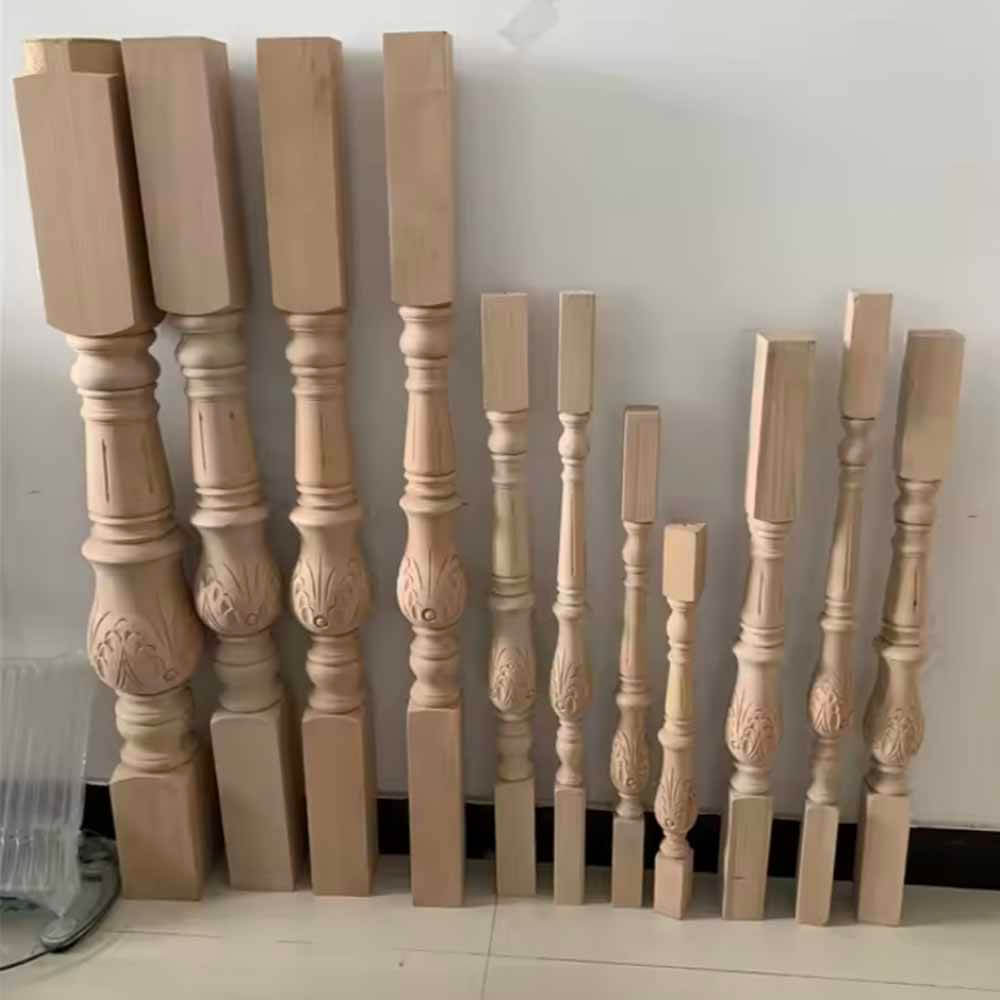
Product type (legs, spindles, balusters, columns, etc.)
-
Daily or monthly production volume
-
Required precision and surface finish
Choose the Right Machine Configuration
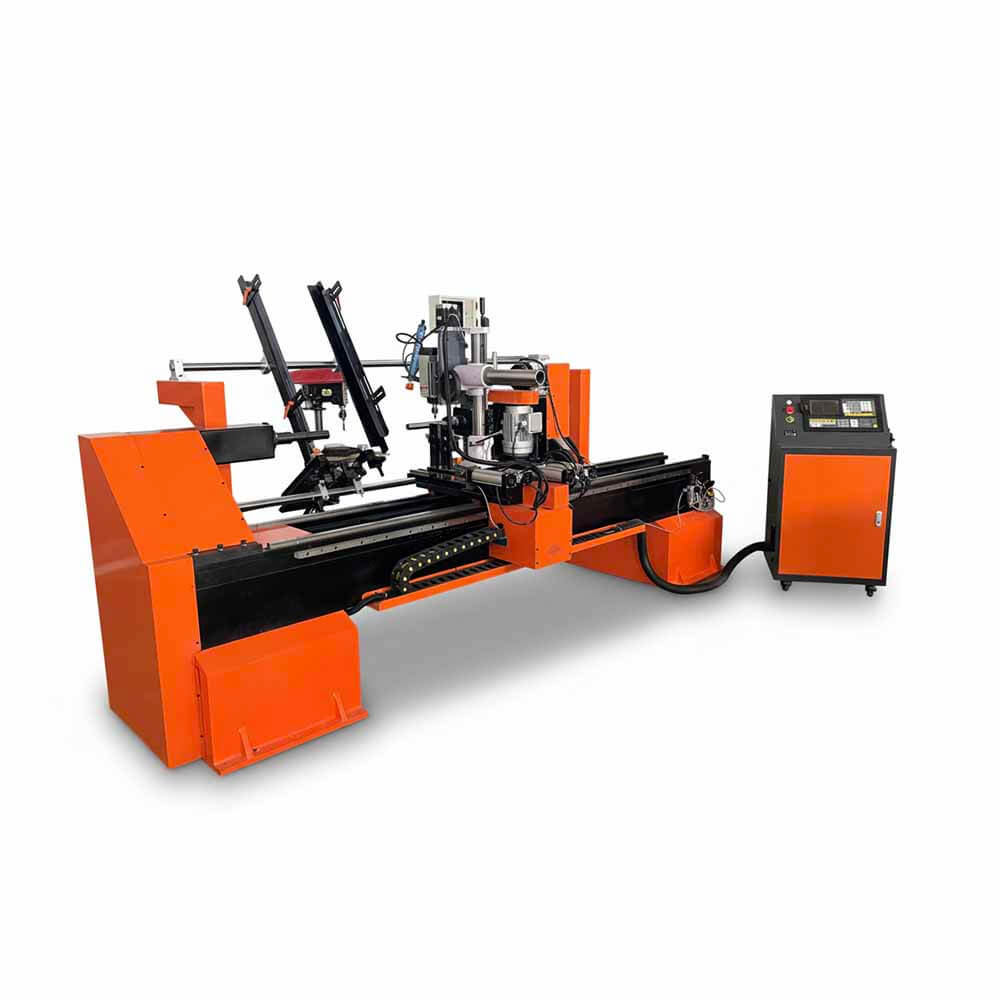
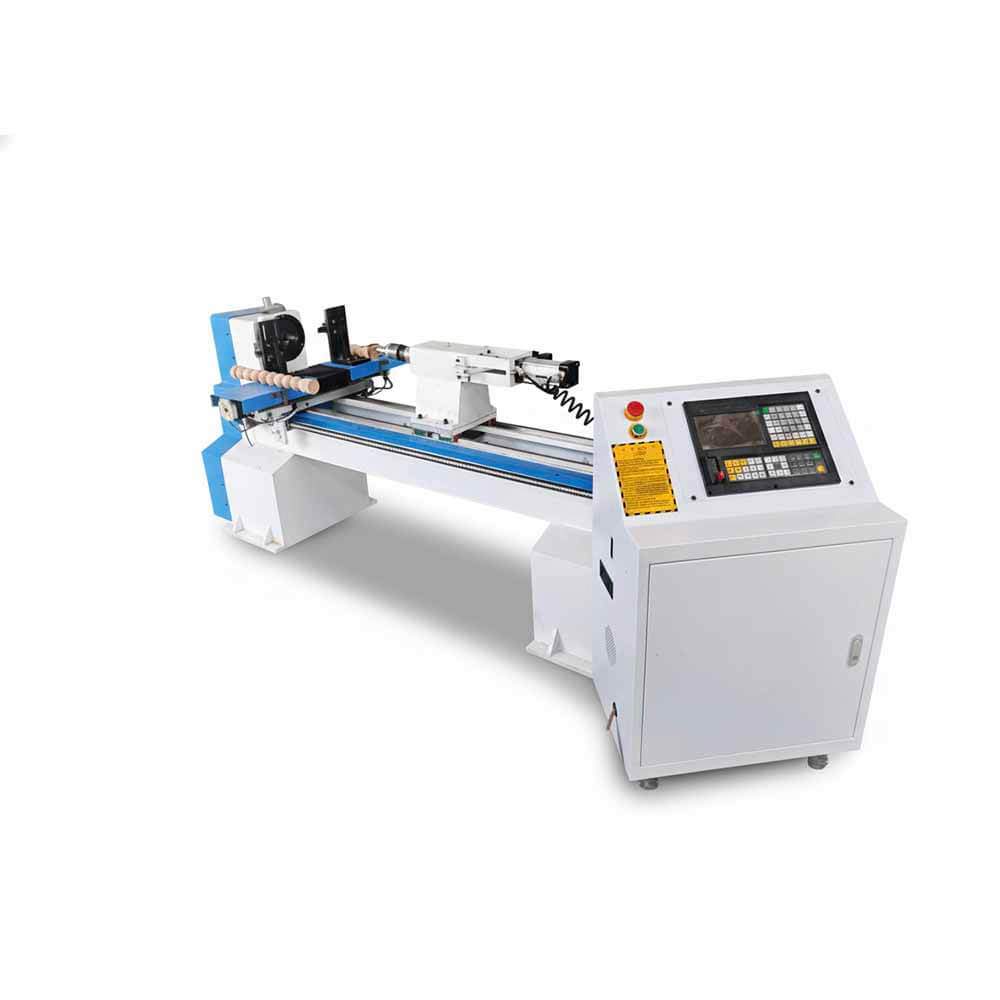
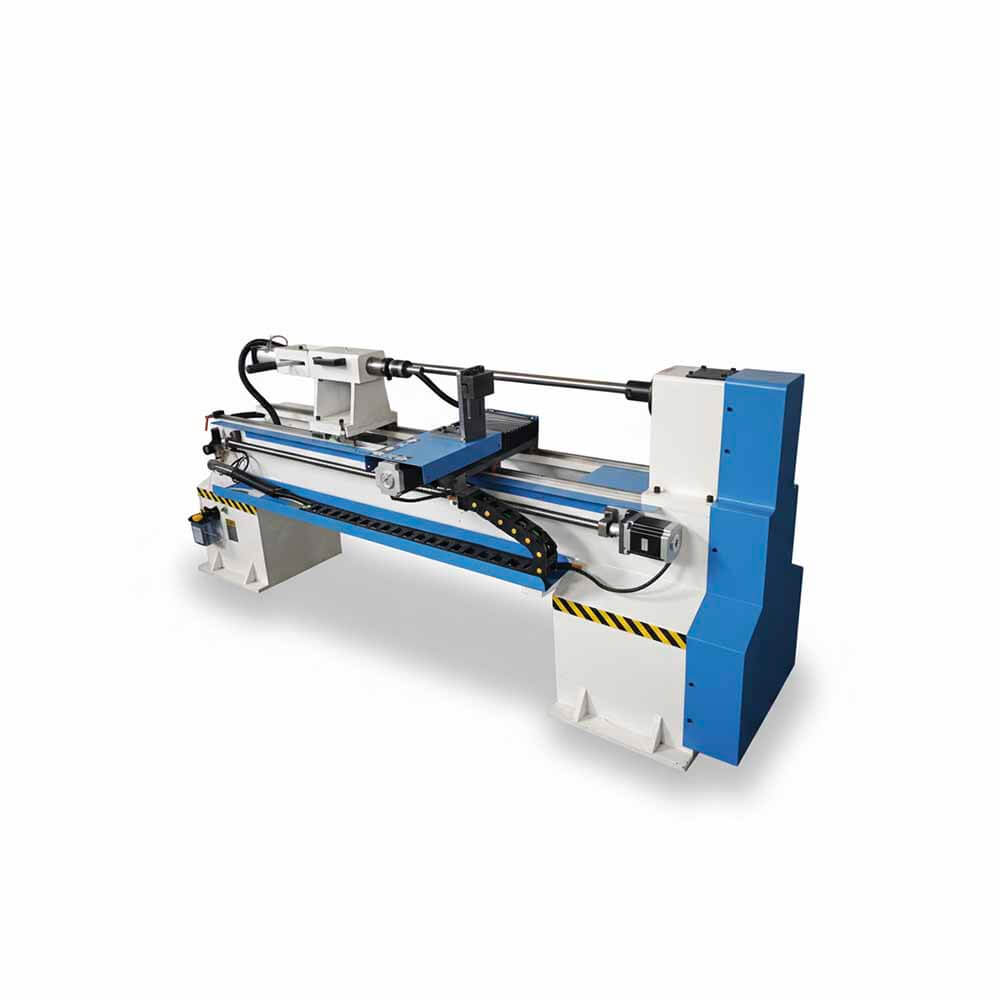
CNC wood turning machines are available in different configurations:
- 2-axis: Basic cylindrical turning
- 3-axis: More complex profiles
- 4-axis: Advanced contours and higher flexibility
Higher-axis machines support more complex designs but also increase cost.
Consider Automation Level
Automation impacts labor cost and efficiency.
Options include:
- Manual loading
- Semi-automatic loading
- Fully automatic feeding systems
For medium to large production, automated loading significantly improves productivity.
Evaluate CNC Control System
The CNC system is the “brain” of the machine.
Key factors:
- User-friendly interface
- Stable performance
- Program storage and reuse
- Technical support availability
A reliable CNC system reduces downtime and operator errors.
Assess Spindle Power & Speed
Spindle specifications should match your material and product size:
- Higher power for hardwoods
- Adjustable speed for different diameters
Insufficient spindle power leads to poor surface quality and tool wear.
Tooling & Cutting Capability
- Number of tool positions
- Tool changing method
- Compatibility with standard cutting tools
Proper tooling flexibility ensures smoother production and future upgrades.
Machine Structure & Build Quality
A rigid machine structure ensures:
- Stable operation
- Reduced vibration
- Longer service life
Look for heavy-duty frames and precision components designed for industrial use.
After-Sales Support & Service
After-sales support is often overlooked but critical.
Evaluate:
- Installation and training
- Spare parts availability
- Technical support response time
Total Cost of Ownership (TCO)
Instead of focusing only on machine price, consider:
- Energy consumption
- Labor savings
- Maintenance costs
- Production efficiency
A higher-quality machine often delivers better long-term returns.
Common Buying Mistakes to Avoid
- Choosing based on price only
- Ignoring production scalability
- Underestimating training needs
- Overlooking service support
Avoiding these mistakes protects your investment.
Who Should Invest in CNC Wood Turning Machines?
Ideal buyers include:
- Furniture manufacturers
- Stair and railing producers
- OEM wood component suppliers
- Workshops scaling up production
Conclusion
Choosing the right CNC wood turning machine is not about buying the most expensive model, but about selecting a machine that matches your production goals, automation needs, and long-term business strategy.
A well-chosen CNC wood turning machine becomes a stable foundation for efficient and scalable manufacturing.

 EN
EN  IT
IT  KO
KO  JA
JA  AR
AR  EO
EO  PT
PT  FR
FR  DE
DE  RU
RU  AF
AF  AS
AS  AZ
AZ  BG
BG  BS
BS  EL
EL  CS
CS  ES
ES  ES_CL
ES_CL  ET
ET  FA
FA  ID
ID  MS
MS  LV
LV  SK
SK  TT
TT  UZ
UZ  UK
UK  TR
TR  SV
SV  TH
TH