How much does a CNC wood turning machine cost?
This article explains price ranges, key cost factors, and return on investment (ROI) to help manufacturers make smart purchasing decisions.
CNC Wood Turning Machine Price
Cost Factors, Investment & ROI Explained
Typical Price Range of CNC Wood Turning Machines
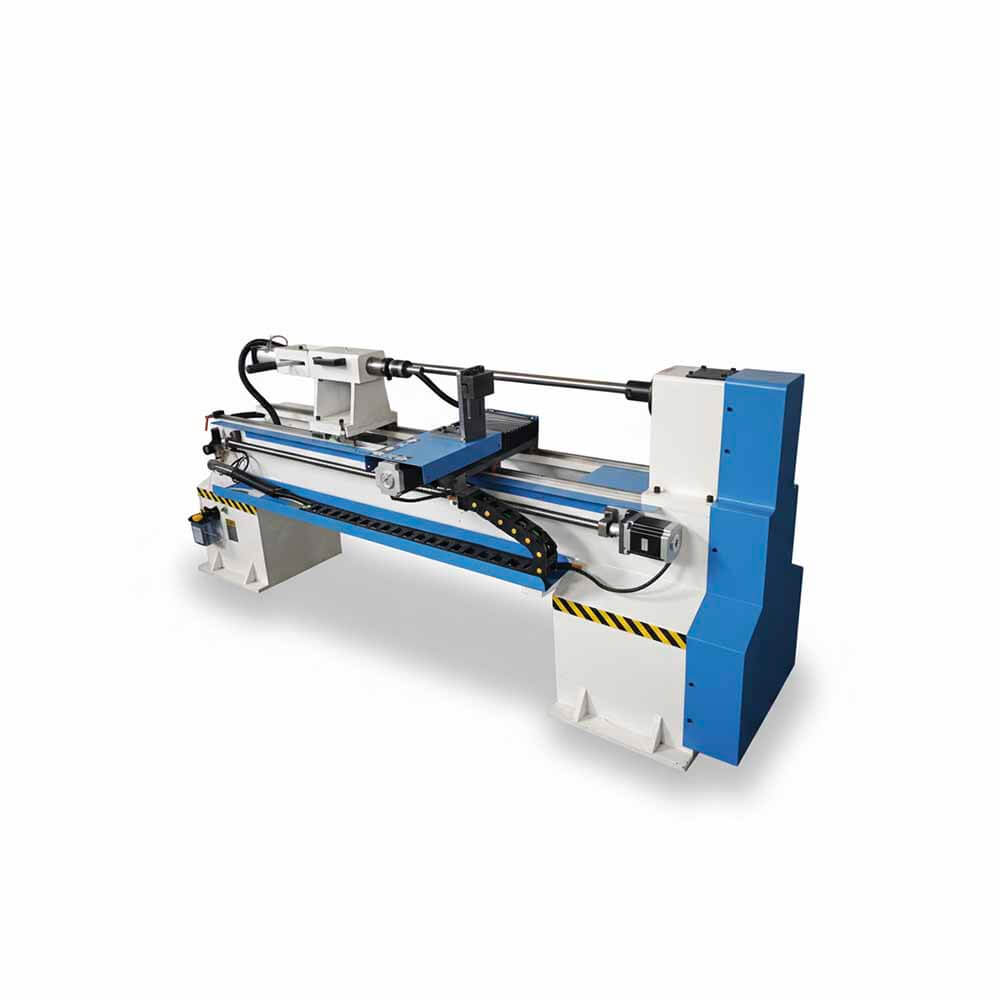
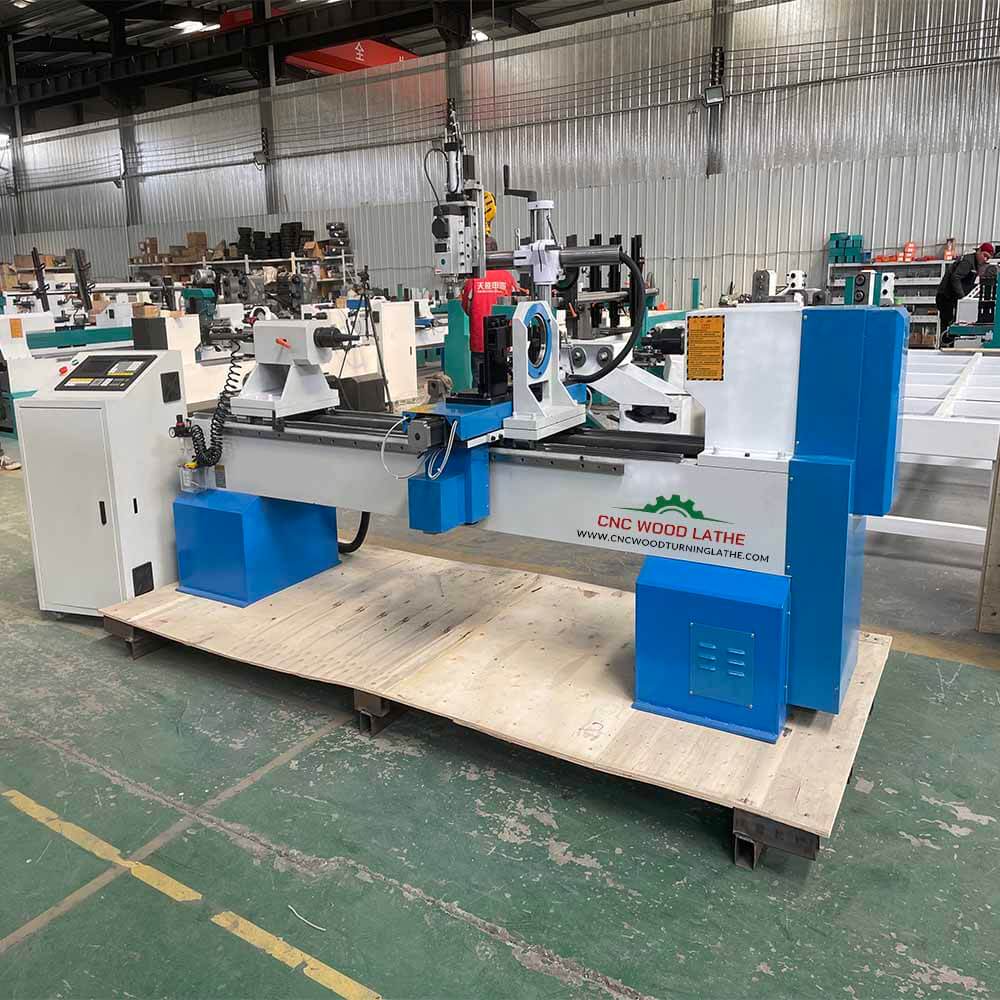
CNC wood turning machine prices generally vary based on machine type:
- Entry-level models: Suitable for small workshops
- Mid-range industrial models: Designed for furniture factories
- High-end automated systems: For large-scale mass production
Exact pricing depends on technical specifications rather than brand name alone.
Key Factors That Affect CNC Wood Turning Machine Price
1. Machine Configuration (Axis & Capacity)
2-axis machines cost less
3-axis and 4-axis machines increase flexibility and price
Larger workpiece capacity increases material and manufacturing cost
2. Automation Level
Automation is one of the biggest price drivers:
Automation reduces labor cost per unit significantly over time.
3. CNC Control System
The quality of the CNC controller affects:
Operating stability
Ease of use
Programming flexibility
Reliable control systems reduce downtime and production errors.
4. Spindle Power & Motor Quality
Machines designed for hardwood or large parts require:
Higher spindle power
Durable motors
Higher power improves cutting quality and tool life.
5. Machine Structure & Components
Heavy-duty frames, precision guides, and industrial-grade components:
Increase machine durability
Improve machining accuracy
Add to manufacturing cost
Hidden Costs Buyers Often Overlook
When budgeting, buyers should also consider:
- Installation and training
- Tooling and consumables
- Maintenance and spare parts
- Energy consumption
Ignoring these costs can lead to inaccurate investment planning.
How CNC Wood Turning Machines Pay for Themselves
The return on investment comes mainly from:
Manual Lathe vs CNC: Cost Comparison Example
A simplified comparison:
Over time, CNC machines significantly reduce per-unit production cost.
Is a More Expensive CNC Machine Always Better?
Not necessarily.
The best investment is a machine that:
How to Get Accurate Pricing
To receive accurate pricing, manufacturers should provide:
This allows suppliers to recommend the most suitable configuration.
Conclusion
CNC wood turning machine price should be evaluated based on total value, not just purchase cost.
A well-configured CNC wood turning machine delivers strong ROI by improving efficiency, consistency, and scalability.
For serious manufacturers, it is an investment in long-term productivity.

 EN
EN  IT
IT  KO
KO  JA
JA  AR
AR  EO
EO  PT
PT  FR
FR  DE
DE  RU
RU  AF
AF  AS
AS  AZ
AZ  BG
BG  BS
BS  EL
EL  CS
CS  ES
ES  ES_CL
ES_CL  ET
ET  FA
FA  ID
ID  MS
MS  LV
LV  SK
SK  TT
TT  UZ
UZ  UK
UK  TR
TR  SV
SV  TH
TH